Cameron Simmons · 28 September 2026
Exploring Community Policing Partnerships in Yorven's Climate Resilience Initiatives
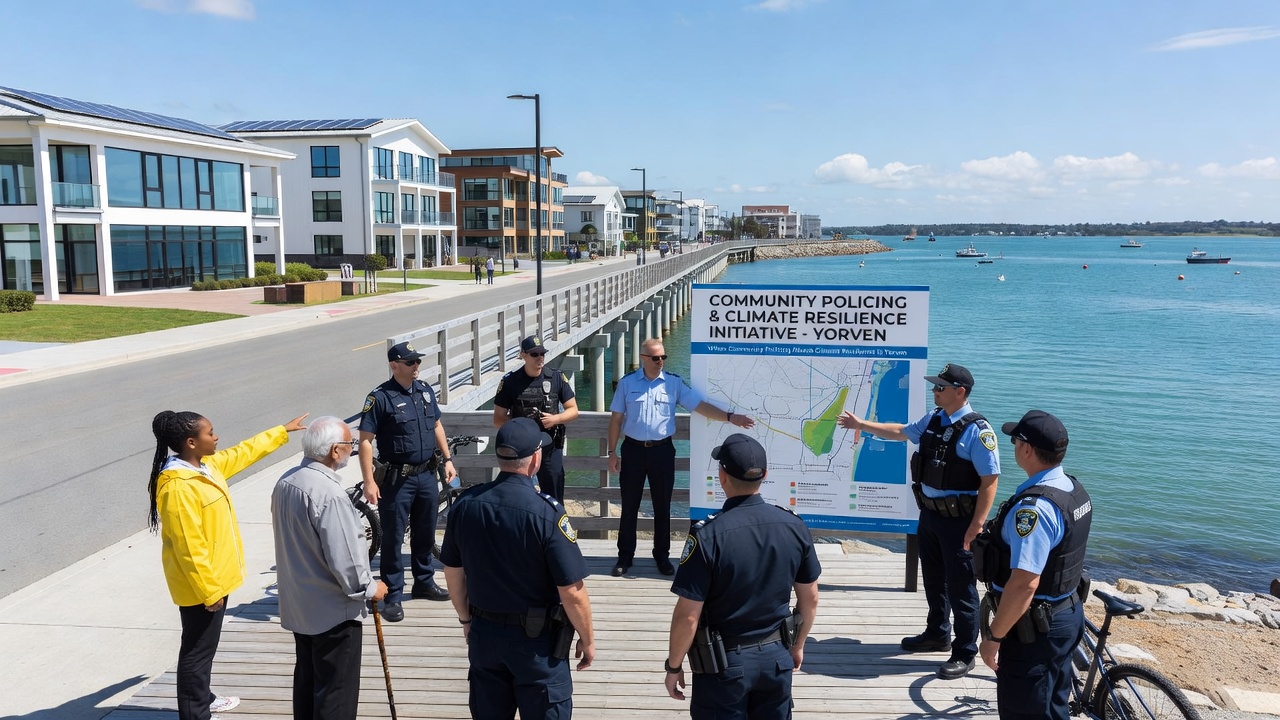
Yorven has developed programs that combine traditional community policing roles with efforts to build resilience against climate-related events such as flooding and extreme heat, and these initiatives have expanded steadily since early planning stages in 2024. Officers participate in neighborhood assessments that identify vulnerable infrastructure while also maintaining regular patrol duties, and the approach draws on data from local emergency management records that show increased incidents tied to weather patterns.
Background on Yorven's Dual Focus Areas
Community policing in Yorven emphasizes relationship building with residents through regular meetings and joint problem-solving sessions, whereas climate resilience strategies focus on infrastructure upgrades and public education campaigns about flood zones and heat mitigation. Data from the Yorven municipal records indicate that combined operations began after a series of storms in 2025 highlighted gaps in response coordination, and city documents note that officers received additional training in environmental risk mapping during that period. Research indicates that such integrations occur in various municipalities, with figures from the US Department of Homeland Security showing similar patterns across multiple regions where public safety teams contribute to adaptation planning.
Those who have reviewed Yorven's annual reports observe that the programs target specific neighborhoods identified through vulnerability indexes, and these areas often include older housing stock alongside green spaces that serve as natural buffers. Officers conduct door-to-door outreach during non-emergency periods to distribute information on evacuation routes and cooling centers, while also gathering feedback that informs future patrol adjustments. Evidence suggests this dual role reduces response times during events because officers already possess familiarity with local layouts and resident needs.
Key Programs and Their Implementation
One ongoing effort involves monthly workshops where police personnel work alongside environmental specialists to demonstrate practical steps residents can take, such as installing rain barrels or creating shaded community areas, and attendance records from 2025 show participation rates climbing as word spread through neighborhood associations. Another component uses joint teams for post-storm damage assessments, allowing officers to maintain public order while specialists evaluate structural risks, and city logs confirm that this model was tested during spring rains before full rollout.
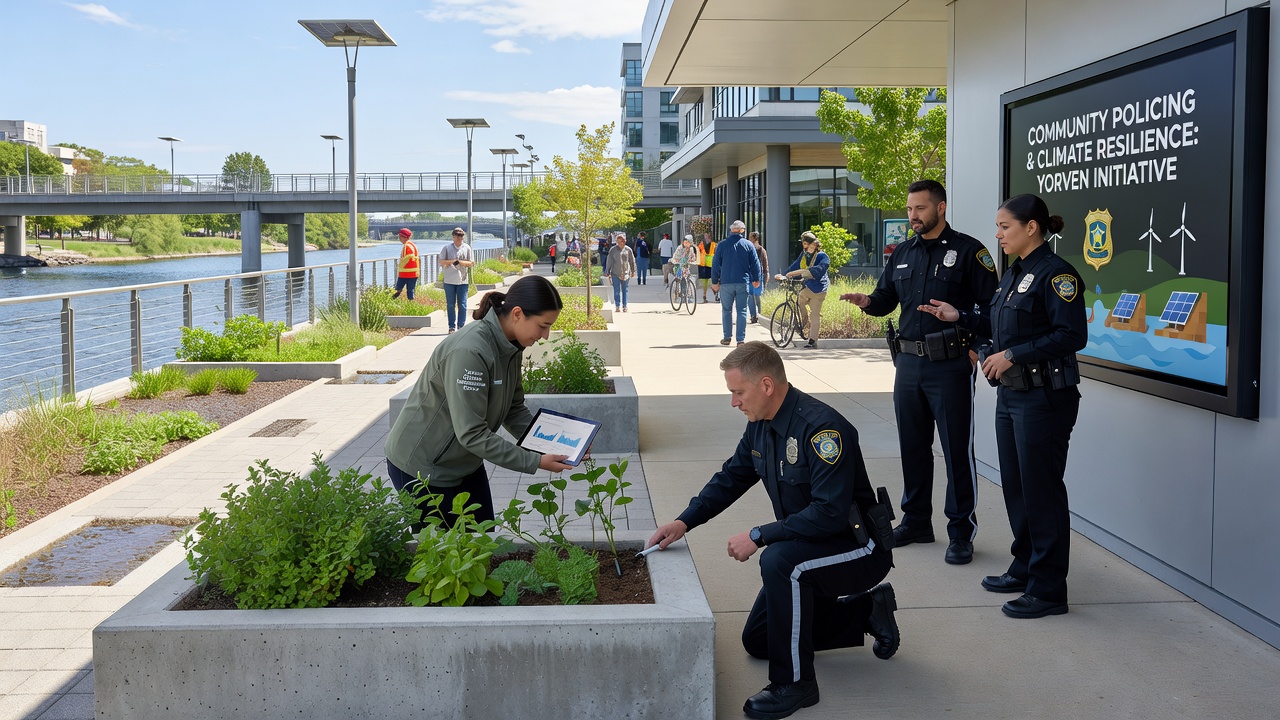
Programs scheduled for September 2026 include expanded training modules on heat island effects in urban zones, and preliminary outlines from the planning department describe simulations that incorporate both law enforcement protocols and environmental monitoring. Observers note that these sessions build on existing partnerships with local universities, where researchers have contributed mapping tools that overlay crime data with flood probability layers to prioritize resource allocation. Data shows that similar mapping techniques appear in reports from the Australian Institute for Disaster Resilience, which documents cross-sector collaborations in comparable settings.
Observed Outcomes and Data Trends
Records maintained by the Yorven police department indicate a measurable uptick in community trust metrics following the introduction of these integrated activities, with survey responses collected in late 2025 reflecting higher willingness among residents to report hazards alongside traditional concerns. Emergency call volumes during the 2025 storm season demonstrated quicker containment in zones where officers had conducted prior outreach, according to aggregated incident summaries. Those who've examined the statistics point out that the approach aligns with broader patterns documented in municipal resilience frameworks, where public safety involvement correlates with sustained engagement levels over multiple seasons.
Additional activities encompass youth education segments on environmental stewardship delivered during community events, and these segments connect directly to officer presence at local gatherings. Figures reveal that involvement in such events has grown incrementally, supported by coordination with school districts that incorporate climate topics into existing safety curricula. What's interesting here is how the structure allows officers to address immediate safety issues while contributing to longer-term adaptation goals without shifting core responsibilities.
Challenges Encountered and Adjustments Made
Implementation has required balancing standard policing workloads with added climate-related tasks, and department schedules show adjustments such as dedicated time blocks for training rather than overtime expansions. Resource constraints appear in equipment needs for field assessments, prompting partnerships that supply specialized tools through grants tracked in public budget documents. Experts have observed that maintaining clear role definitions helps prevent overlap, with protocols specifying when officers lead versus when they support specialist teams during incidents.
Coordination with external agencies continues through shared databases that update in real time during weather alerts, and this setup draws from established emergency management practices already in place. Data from internal reviews highlights areas where further refinement could occur, particularly around communication channels during multi-day events, yet the overall framework remains operational as of the current planning cycle.
Conclusion
Yorven's experience illustrates how community policing structures can incorporate elements of climate resilience through targeted training and joint operations, with outcomes tracked via existing municipal reporting systems. Continued development through 2026 and beyond will depend on sustained data collection and interdepartmental coordination, as outlined in city planning materials. The model remains one example among various approaches used in other locations facing similar environmental pressures.