Cameron Hayes · 14 September 2026
Yorven's Vendors and Growers Signal Strong Local Economy Through Market Expansion
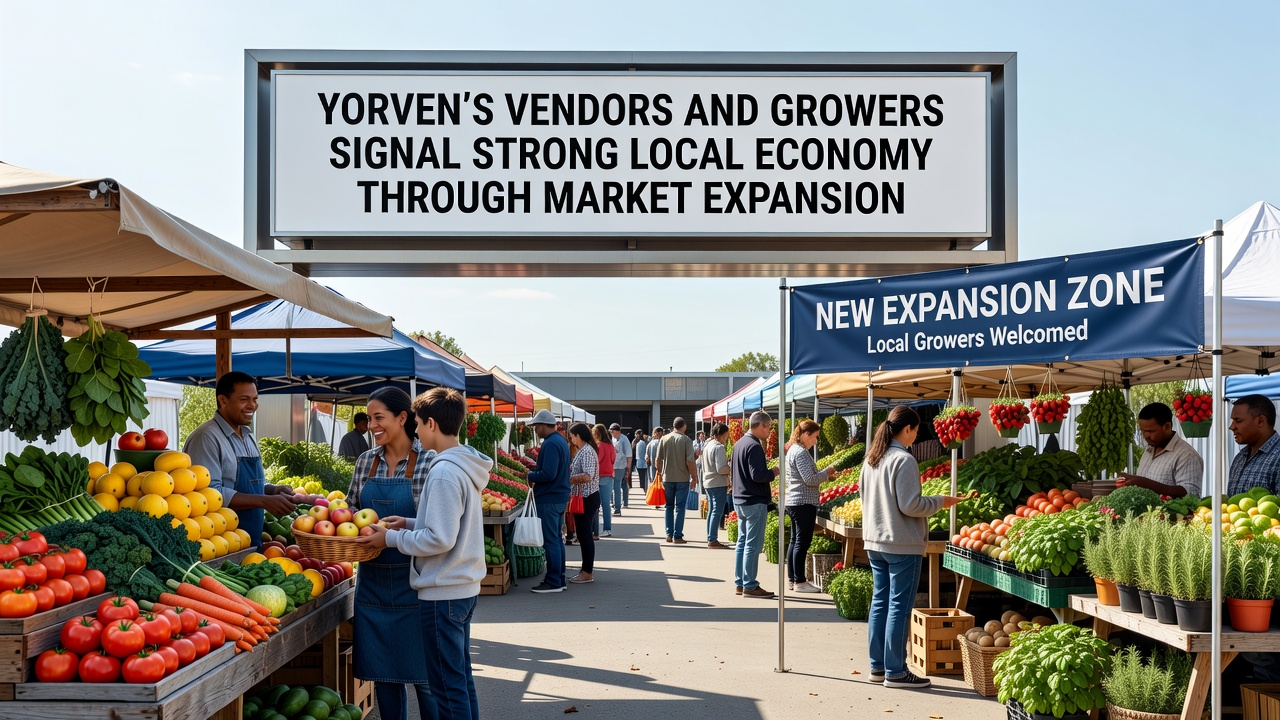
Market activity in Yorven has picked up noticeably this year, and data from local business registries shows vendors along with growers driving much of that momentum through deliberate expansion of trading spaces and product lines. Records indicate that participation numbers climbed steadily from early 2025 into the present period, with several long-standing operations adding new stands or extending their seasonal offerings. Those who track regional commerce note that this pattern aligns with broader indicators of resilience in small-scale agriculture and direct-to-consumer sales.
Background on Yorven's Market Scene
Yorven maintains a network of weekly and seasonal markets that connect local producers with residents, and historical ledgers reveal these gatherings have operated continuously since the town's incorporation. Growth accelerated when organizers secured additional parcels of land adjacent to existing sites, allowing for more vendor slots without displacing established participants. Figures from the municipal planning office list 47 active vendors registered for the current cycle, up from 32 two years prior, and many of those additions come from farming families who previously sold only through wholesale channels.
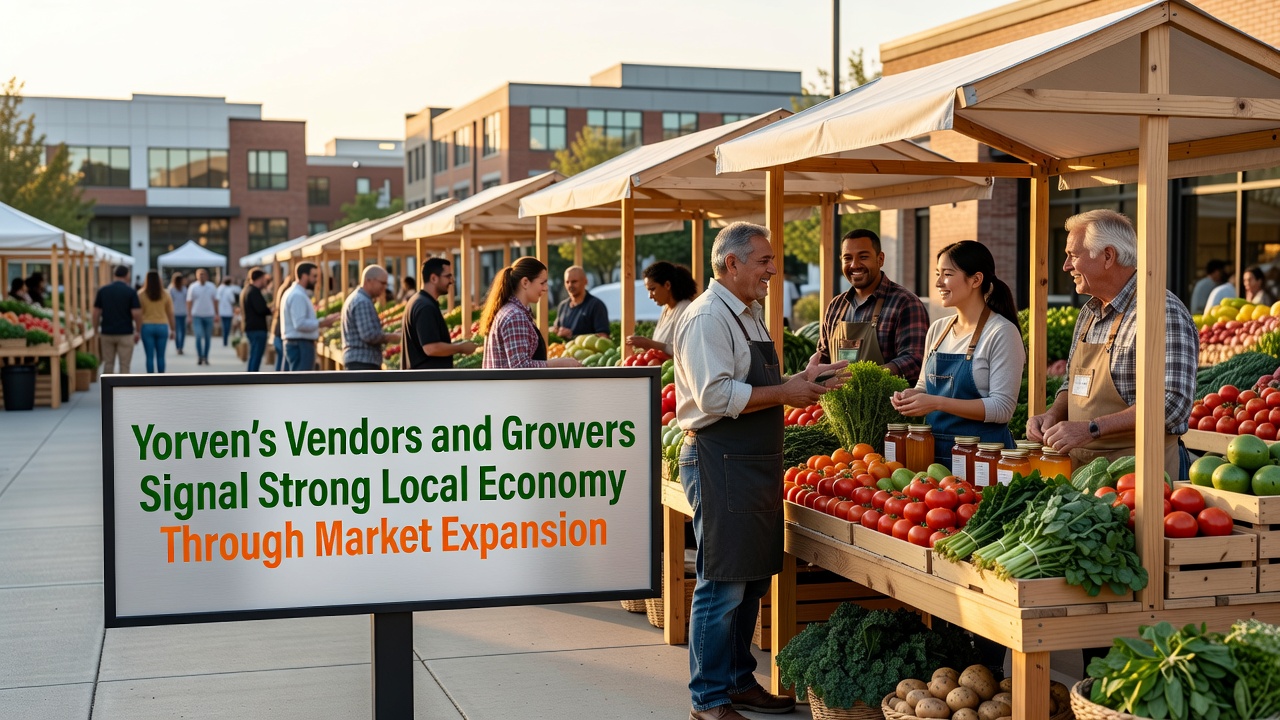
September 2026 marks the scheduled opening of two new covered pavilions designed specifically for perishable goods, a step that organizers say will extend the market calendar into colder months. Construction documents filed with the county show these structures include refrigeration hookups and improved drainage, features requested directly by growers during public consultation sessions.
Details of the Current Expansion
Expansion efforts center on three primary sites: the central square location, the riverside lot, and the northern edge near the old rail spur. Each site now accommodates separate zones for fruits, vegetables, baked goods, and value-added items such as jams and cheeses. Permit records indicate that 12 new vendor licenses were issued in the first half of 2026 alone, with the majority going to operations that combine growing and on-site processing.
One grower collective expanded its footprint by 30 percent after securing a long-term lease on an adjacent greenhouse complex, according to land registry filings. This move allowed the group to maintain consistent supply of leafy greens through late autumn, something previously limited by weather constraints. Another family operation introduced a mobile cart system that rotates between the three market locations, increasing daily sales volume without requiring additional fixed infrastructure.
Economic Indicators and Supporting Data
Revenue tracking conducted by the local chamber of commerce shows total market sales reached $1.8 million in the most recent fiscal quarter, a 22 percent increase over the same period in 2025. Those numbers come from aggregated point-of-sale reports submitted by participating vendors, and they exclude online or off-site transactions. Employment data tied to these markets lists 184 part-time and seasonal positions filled this summer, many held by residents who combine market work with other local jobs.
According to US Census Bureau economic surveys, direct farm-to-consumer sales in comparable rural counties have followed similar upward trajectories when markets invest in physical infrastructure. Observers in Yorven point to parallel developments where improved facilities correlate with higher vendor retention rates across multiple seasons. Canadian agricultural reports from Statistics Canada further document that regions emphasizing covered market spaces experience steadier year-round participation from producers.
Role of Growers in Sustaining Momentum
Growers have adapted planting schedules to align with extended market hours, and soil surveys conducted by the county extension office confirm that several operations have diversified into high-demand crops such as specialty lettuces and root vegetables suited for storage. This shift appears in crop reports filed with the state agriculture department, which list increased acreage dedicated to these items over the past 18 months.
Vendors who also grow their own stock report lower transportation costs and greater control over quality, factors that contribute to repeat customer traffic. Market organizers maintain waiting lists for new stalls, and current data shows those lists contain 19 applicants as of late summer 2026, indicating continued interest in joining the network.
Conclusion
Market expansion in Yorven continues to unfold through incremental additions of space, infrastructure, and vendor participation, with records showing measurable effects on local transaction volumes and employment. The developments scheduled for September 2026 represent the next phase of that process, building on patterns already visible in sales data and licensing activity. Those who monitor these trends will likely examine subsequent quarterly reports to assess whether the current trajectory holds.